

Every Street Cat
Deserves a Chance
Your donation helps rescue, feed, treat and protect vulnerable cats across Jamaica.

Provide food to hungry cats

Deliver critical medical care

Support spay/neuter surgeries to reduce suffering
Your compassion saves their lives
Monthly donations make a huge impact. Consider becoming a monthly supawhero.
One time
Monthly
Feed a street cat for 1 week
US$10
Neuter Grant Gift
US$35
TNR for 1 street cat
US$75
Emergency care
US$150
Other
0/100
Specify what your donation covers (optional)


OUR IMPACT SINCE 2025
Jamaica's street cats need your support
1. They are silently suffering
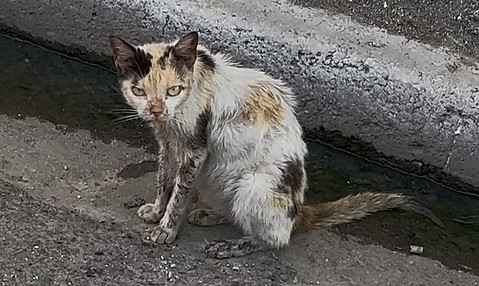
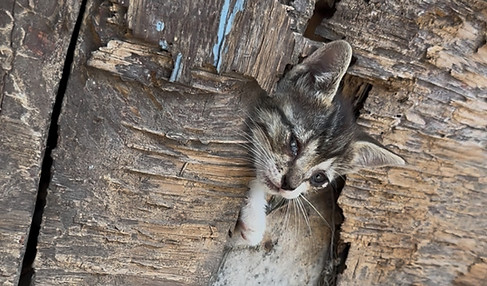
The suffering of street cats in Jamaica is silent because we can't hear or see them since cats stay away from people. Born on our streets or abandoned by owners who simply don’t know better, they face a slow, painful life filled with hunger, disease, abuse and fear.
In places like Downtown Kingston, the struggle is unimaginable. Tiny kittens barely days old try to survive in filthy drains, dodging cars, dogs and cruel hands. Many don’t survive their first week. The ones who do survive often grow up sick, malnourished, injured or terrified of humans. Most cats live and die in the shadows, unseen and unloved. Not because they don’t matter but because no one ever gave them a chance.
2. They are left to multiply uncontrollably
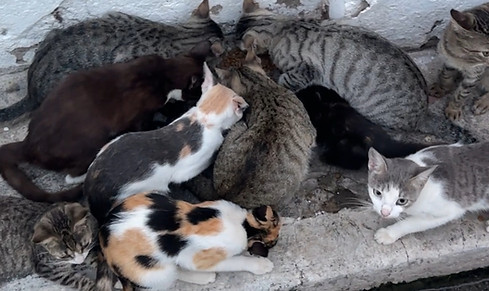

There is very little public education around cat welfare, spay/neuter benefits or responsible pet ownership in Jamaica. Many cat owners let their cats continuously breed and dump their kittens on the streets or give them away to others who will continue the cycle. Some will abandon their female cats as soon as she becomes pregnant. The shelter is flooded with surrenders every week. We get daily reports of unwanted kittens. Jamaica is facing a serious cat overpopulation crisis and without public education on spaying and neutering, it will only get worse. This is why OnlyPaws launched a neuter grant program to assist low income cat owners to get their cats fixed.
3. They are often abused and feared

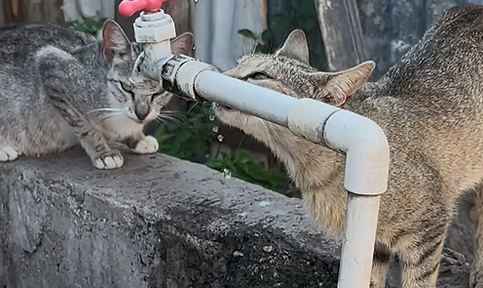
In Jamaica, cats aren’t just unwanted: they’re feared, hated and misunderstood. Business owners chase them away. Landlords poison them. Tenants are told: “No cats allowed.” Both adults and children throw stones or even glass bottles at them, kick them, pour water on crying kittens; the abuse is unspeakable. Many Jamaicans still believe that cats are cursed or bad luck.
Others call them nuisances or thieves, just for trying to find food. Sick or injured cats are left to die slowly because "it’s just a cat." This is the harsh reality for most cats here and it's become normalised. Although some Jamaicans care deeply for cats, widespread dislike and misunderstanding of them remains a serious issue.
4. They have no one to fight for them


Jamaica’s animal welfare laws exist on paper, but in reality, they’re rarely enforced. The very few no-kill animal shelters that exist are constantly at capacity and often have no choice but to turn animals away.
According to the JSPCA's managing director, cats are the hardest animals to be adopted. Grassroots rescues are doing their best with limited resources. The JSPCA (Jamaica Society for the Prevention of Cruelty to Animals), the island’s most well-known facility, isn’t no-kill, in fact, there are times animals are euthanised because there’s no space.